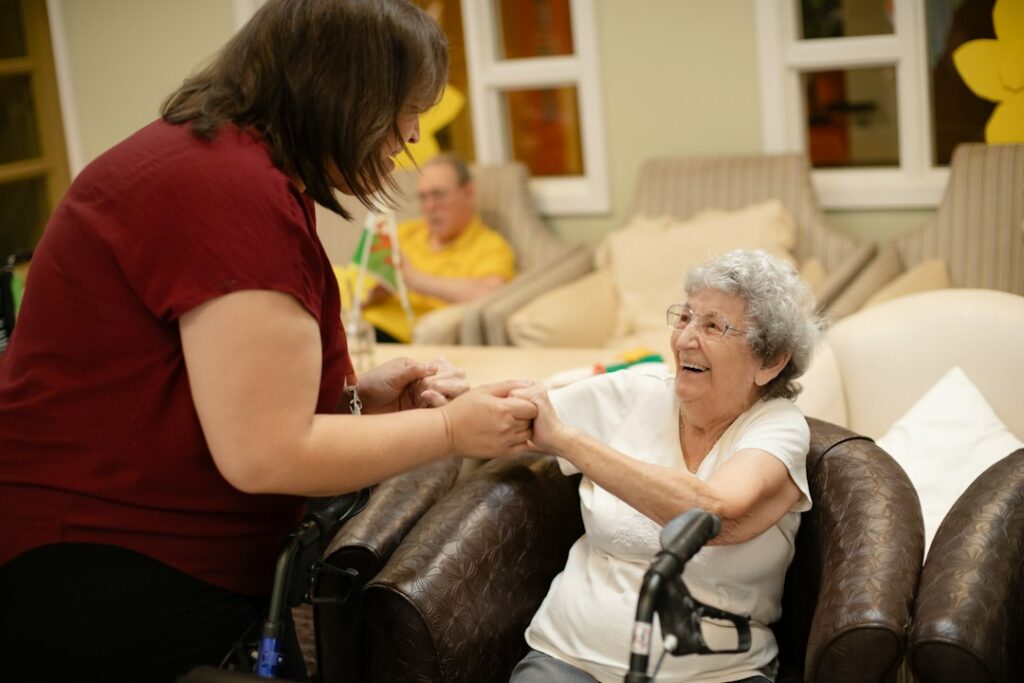
More than one in four adults over 65 falls each year. These six simple balance exercises for seniors, plus safety tips and signs it is time to see a physical therapist, from Advanced Rehabilitation Center in Crossville, TN.

Good balance is what lets you step off a curb, carry groceries up the porch steps or walk a trail at Cumberland Mountain State Park with confidence. Balance naturally declines with age, but it responds well to practice. These six exercises are a safe place to start, along with tips on when a physical therapist can help.

Why balance matters after 65
According to the Centers for Disease Control and Prevention (CDC), more than one in four older adults falls each year, but fewer than half tell their doctor. Falls lead to about 4.5 million emergency department visits a year among older adults and are the most common cause of traumatic brain injury in this age group. The good news is that many falls can be prevented, and exercise that improves strength and balance is one of the most effective steps you can take.
Safety first
- Stand next to a kitchen counter or the back of a sturdy chair that will not slide, and hold on as much as you need.
- Have someone nearby the first few times you try a new exercise.
- Wear supportive shoes and clear the floor of rugs and clutter.
- Stop if you feel dizzy, short of breath or have chest pain.
- If you have fallen recently, have a neurological condition or are recovering from surgery, check with your doctor or physical therapist before starting.
6 balance exercises for seniors
1. Weight shifts
Stand with your feet hip-width apart, holding the counter. Slowly shift your weight onto your right leg and lift the left foot slightly. Hold up to 30 seconds, then switch sides. Repeat 3 to 5 times per side.
2. Single-leg stand
Holding the chair, lift one foot and bend that knee so the foot hovers near the other ankle. Hold 10 to 30 seconds, then switch legs. As you get steadier, hold on with one hand, then just a fingertip.
3. Heel-to-toe walk
Along a counter or hallway wall, place the heel of one foot just in front of the toes of the other, as if walking on a tightrope. Look ahead, not down. Take 10 to 20 steps.
4. Sit to stand
Sit near the front of a sturdy chair with your feet flat. Lean slightly forward and stand up, using your hands only if you need to, then sit back down slowly. Work up to 10 repetitions. Strong legs are a big part of good balance.
5. Heel raises
Holding the counter, rise slowly onto the balls of your feet, pause, and lower your heels. Repeat 10 to 15 times. This strengthens the calf and ankle muscles that catch you when you start to sway.
6. Side leg raises
Stand tall holding the chair. Lift one leg out to the side, keeping your toes pointing forward and your body upright, then lower it slowly. Repeat 10 times on each side to strengthen the hip muscles that keep you steady when you walk.
Aim to practice most days of the week. Small, regular sessions beat one long workout. If back pain makes standing exercises hard, start with these gentle lower back exercises for seniors.
More ways to lower your fall risk
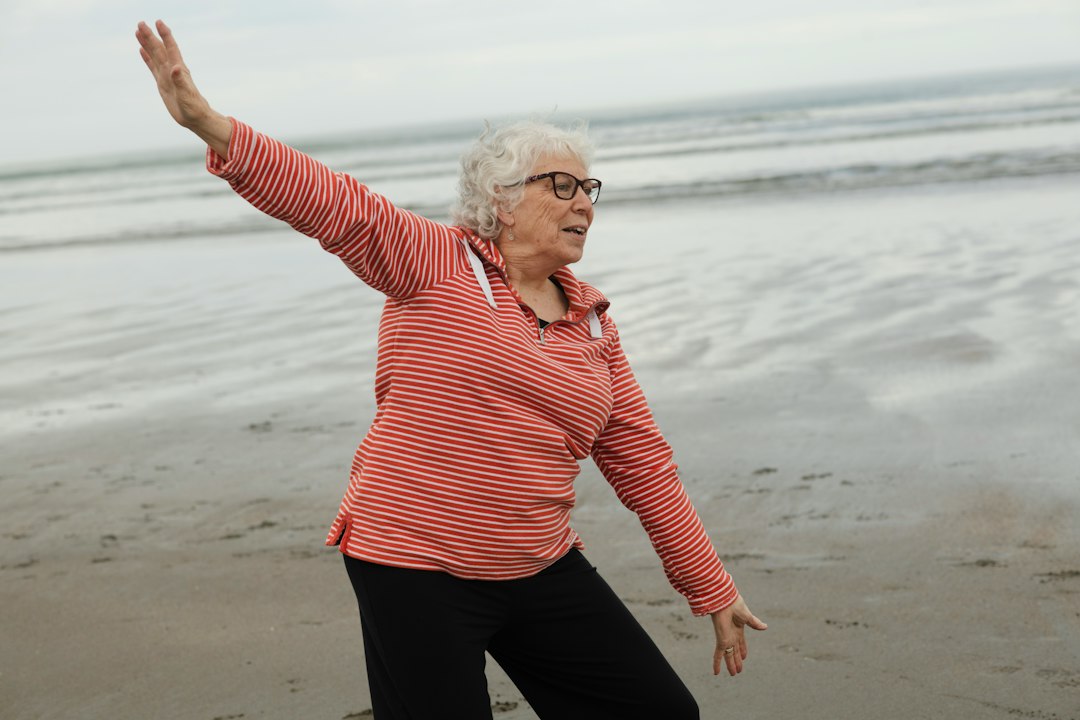
- Try tai chi: its slow, controlled movements are recommended by the CDC as a way to improve balance.
- Review your medicines: ask your doctor or pharmacist whether any of them can cause dizziness or drowsiness.
- Check your eyes: have your vision checked at least once a year.
- Make your home safer: add grab bars and railings, improve lighting, and remove tripping hazards.
When to see a physical therapist about balance
- You have fallen in the past year, or you are afraid of falling.
- You feel unsteady when walking, turning or getting up from a chair.
- You have dizziness or vertigo.
- You live with Parkinson’s disease, multiple sclerosis or the effects of a stroke.
- You are recovering from a joint replacement or other surgery.
A physical therapist can test your strength, balance and walking, find the specific reasons you feel unsteady, and build a program that challenges you safely and progresses as you improve.
Balance and fall prevention therapy in Crossville, TN
At Advanced Rehabilitation Center, we help adults in Crossville, Fairfield Glade and Cumberland County get steadier on their feet, including people with neurological conditions such as stroke, Parkinson’s disease and multiple sclerosis. Every plan combines one-on-one guidance with exercises you can keep doing at home. Our hands-on manual therapy can also ease the stiff joints that make balance harder.
Want to feel steadier? Call us at (931) 456-5757 or visit us at 50 Stanley St., Crossville, TN 38555. We are open Monday to Friday, 8:00 AM to 5:15 PM.
This article is for general education and is not medical advice. Check with your doctor before starting a new exercise program. Sources: Centers for Disease Control and Prevention, Older Adult Fall Prevention facts and STEADI resources; National Institute on Aging, balance exercises for older adults. Photos: Centre for Ageing Better and Age Cymru on Unsplash.