Manual therapy is hands-on physical therapy that uses skilled joint and soft tissue techniques to ease pain and restore movement. Learn what it is, what it helps, what a session feels like, and how Advanced Rehabilitation Center in Crossville, TN uses it.

If you have ever felt a stiff neck loosen or a locked-up back ease under a skilled therapist’s hands, you have experienced manual therapy. It is the heart of how we treat patients at Advanced Rehabilitation Center in Crossville. Here is what manual therapy is, what it can and cannot do, and what to expect at your first visit.
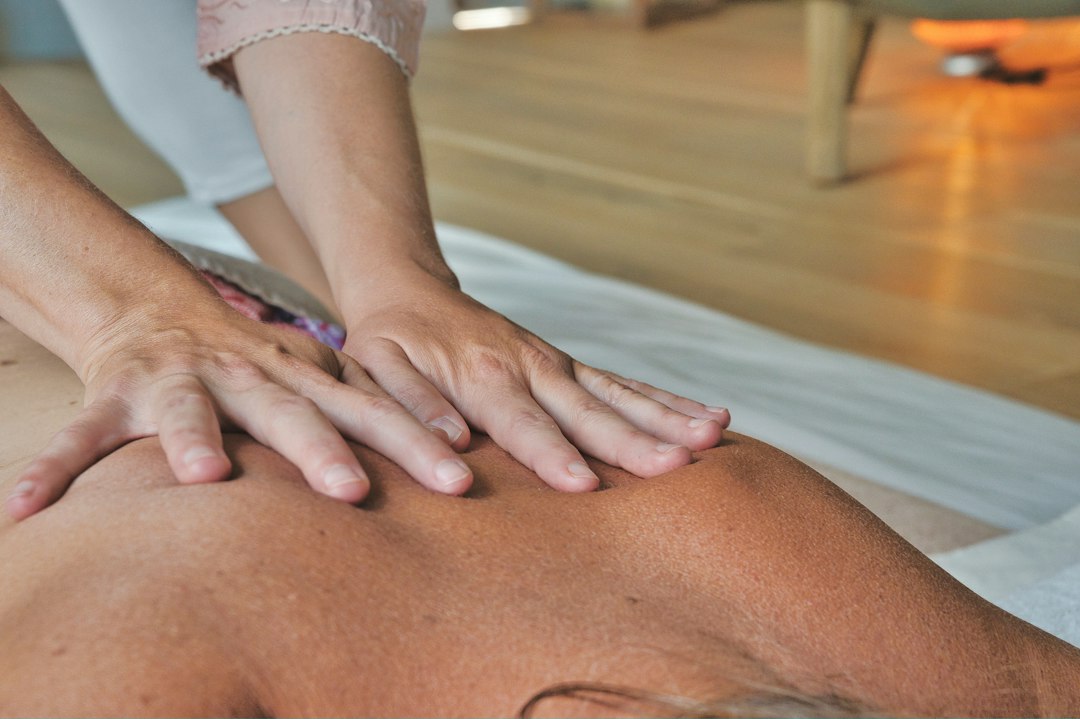
What is manual therapy?
Manual therapy is a set of skilled, hands-on techniques a physical therapist uses to assess and treat joints, muscles and other soft tissues. The goals are to reduce pain, improve range of motion, ease muscle guarding and help you move better. In modern physical therapy it is almost always paired with exercise, so the movement you gain on the table carries over into daily life.
Common manual therapy techniques
- Joint mobilization: slow, controlled gliding movements that help a stiff joint move more freely.
- Joint manipulation: a small, quick movement at a specific joint, used only when your evaluation shows it is appropriate and safe.
- Soft tissue mobilization: targeted pressure and stretching of tight or guarded muscles and connective tissue.
- Myofascial release: sustained, gentle pressure to ease restrictions in the fascia, the connective tissue around muscles.
- Positional release and counterstrain: placing the body in comfortable positions that let irritated tissue relax, a gentle option for people who cannot tolerate firm pressure.
- Muscle energy techniques: you gently contract a muscle against the therapist’s resistance to improve joint position and motion.
What can manual therapy help with?
- Low back pain and neck pain
- Shoulder stiffness and pain
- Stiffness after surgery, such as joint replacement or spinal fusion
- Hip and knee pain from osteoarthritis
- Some headaches that start in the neck
- Sports injuries such as sprains and strains, once the early healing phase has passed
Clinical practice guidelines from the American Physical Therapy Association support manual therapy as one part of care for conditions like neck and low back pain, combined with exercise and education rather than used on its own. That is how we use it: the hands-on work reduces pain and opens up movement, and the exercises help you keep it.
What happens during a manual therapy session?
- Evaluation: your therapist asks about your history and goals, then tests how you move, where it hurts and which joints or tissues are restricted.
- Hands-on treatment: techniques are chosen for your body and your comfort. You can always ask for less pressure or a different approach.
- Re-check: your therapist re-tests your movement to see what changed.
- Exercise: you learn movements to do in the clinic and at home to build on the progress.
Does manual therapy hurt?
It should not be painful. Some techniques feel like firm pressure or a deep stretch, and many are very gentle. It is common to feel mild soreness for a day or two afterward, similar to after a workout. Tell your therapist about osteoporosis, a recent fracture, blood-thinning medicine, cancer, or any other health condition, so treatment can be adjusted to keep you safe.
Manual therapy, massage and chiropractic: what is the difference?
Massage focuses mainly on muscles and relaxation. Chiropractic care often centers on spinal adjustments. Manual therapy in physical therapy uses a wide range of joint and soft tissue techniques, chosen from a full movement evaluation, and always ties them to an exercise plan aimed at your specific goals.
Manual therapy in Crossville, TN
Advanced Rehabilitation Center is a hands-on physical therapy clinic led by Thomas Nosarzewski, PT, MSPT, DMT, who has advanced training in manual therapy, including Fascial Counterstrain. Our physical therapists treat patients from Crossville, Fairfield Glade and across Cumberland County for back, neck and shoulder pain, recovery after surgery, sports and orthopedic injuries, and neurological conditions. Here is what to expect at your first physical therapy appointment.
Ready to move with less pain? Call us at (931) 456-5757 or visit us at 50 Stanley St., Crossville, TN 38555. We are open Monday to Friday, 8:00 AM to 5:15 PM.
This article is for general education and is not medical advice. Talk with your doctor or physical therapist about your own condition. Sources: American Physical Therapy Association, Guide to Physical Therapist Practice and Academy of Orthopaedic Physical Therapy clinical practice guidelines for neck pain and low back pain. Photo: THLT LCX on Unsplash.