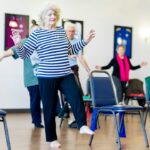
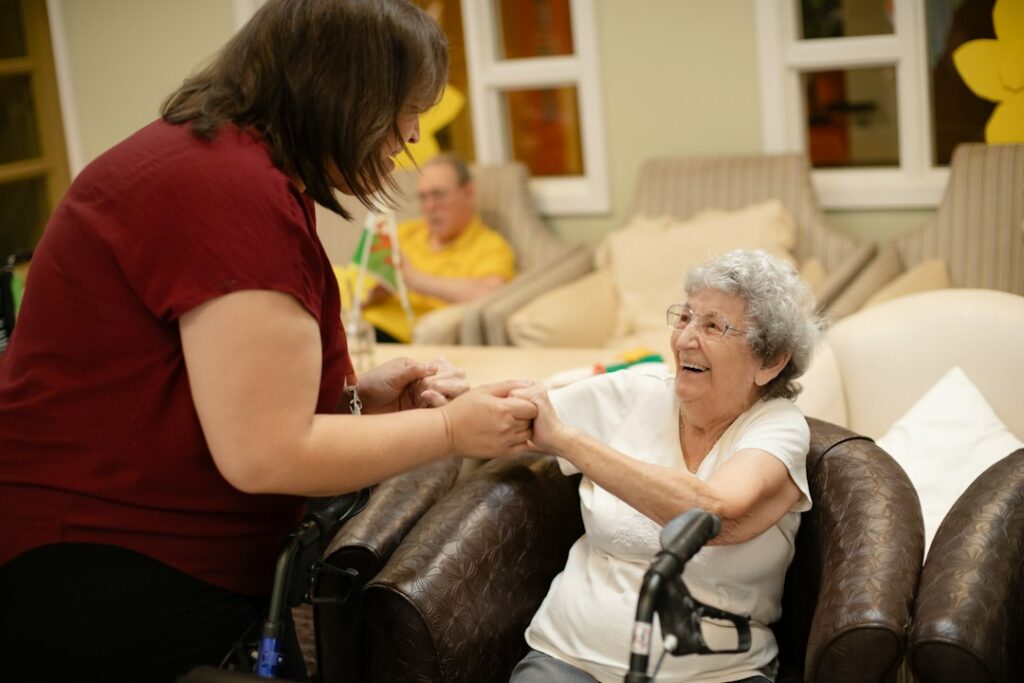
A practical fall prevention plan for seniors: strength exercises that keep you steady, a room-by-room home safety checklist, and when to ask for a fall risk check. From Advanced Rehabilitation Center in Crossville, TN.

Falls are not a normal part of aging, and many can be prevented. The Centers for Disease Control and Prevention (CDC) recommends four steps: talk to your doctor, do strength and balance exercises, have your eyes and feet checked, and make your home safer. This guide covers the exercise and home safety steps you can start this week.
Why fall prevention matters
The CDC reports that more than one in four adults age 65 and older falls each year, and falls cause about 4.5 million emergency department visits among older adults annually. Nearly 319,000 older adults are hospitalized for hip fractures each year, and most of those fractures are caused by falls. Staying strong and steady is one of the best ways to stay independent.
6 fall prevention exercises for seniors
Do these next to a kitchen counter you can hold, with someone nearby the first few times. Stop if you feel dizzy or have chest pain. Check with your doctor first if you have fallen recently or have a heart, lung or neurological condition.
1. Marching in place
Holding the counter, lift one knee toward hip height, lower it, then lift the other. March for 30 to 60 seconds. This builds the hip strength you need to clear curbs and steps.
2. Side steps
Facing the counter, take 10 slow steps to the right, then 10 back to the left, keeping your toes pointed forward. Side-to-side strength helps you recover when you start to tip sideways.
3. Standing leg lifts to the back
Standing tall, slowly lift one straight leg a few inches behind you without leaning forward. Lower it and repeat 10 times on each side to strengthen the buttock muscles that keep you upright.
4. Step-ups
Using the bottom stair and holding the railing, step up with one foot, bring the other up, then step back down. Repeat 10 times, leading with each leg. Skip this until your therapist clears it if you have had a recent knee or hip surgery.
5. Sit to stand with less help
From a sturdy chair, stand up and sit down slowly 10 times. Each week, try to use your hands a little less. Getting up from a chair without help is one of the strongest signs of good leg strength.
6. Seated ankle circles
Sitting with one foot lifted, draw slow circles with your foot 10 times each direction. Flexible, strong ankles make quick balance corrections possible.
For dedicated balance drills such as single-leg stands and heel-to-toe walking, see our guide to balance exercises for seniors. If back pain is holding you back, start with these lower back exercises for seniors.
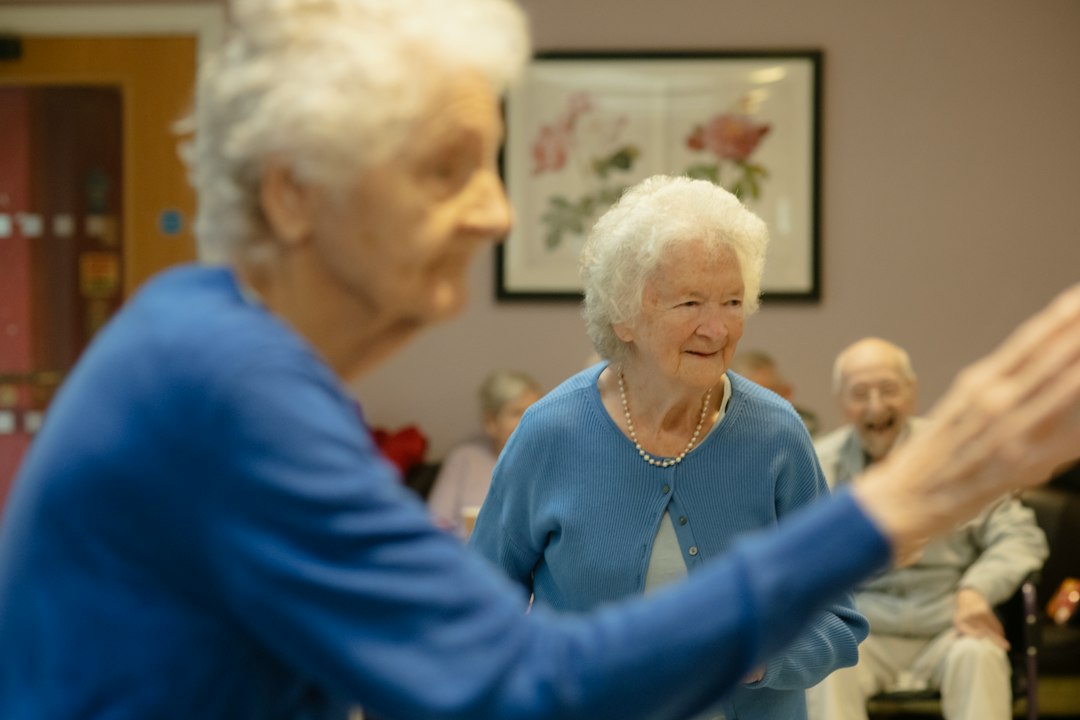
Group classes, including tai chi, are a good way to stay consistent. The CDC promotes tai chi as a way to improve balance and reduce falls.
Home safety checklist
Floors and stairs
- Remove throw rugs or secure them with double-sided tape.
- Keep walkways clear of cords, shoes and clutter.
- Install sturdy handrails on both sides of stairs and keep stairs well lit.
Bathroom
- Add grab bars inside the tub or shower and next to the toilet.
- Use a non-slip mat in the tub or shower.
- Consider a shower chair if standing for long is hard.
Bedroom and kitchen
- Put a lamp or night light within reach of the bed, and light the path to the bathroom.
- Store everyday items on lower shelves so you do not need a step stool.
- Wear shoes with non-slip soles inside the house instead of socks or loose slippers.
Talk to your doctor
- Tell your doctor about any fall, even one without injury.
- Ask whether any of your medicines can cause dizziness or sleepiness.
- Have your eyes checked every year and your feet checked as needed.
Fall prevention physical therapy in Crossville, TN
If you have fallen, feel unsteady, or have stopped doing things because you are afraid of falling, a physical therapist can test your strength, balance and walking and build a plan to address the specific causes. Advanced Rehabilitation Center helps adults across Crossville, Fairfield Glade and Cumberland County get stronger and steadier, including people living with stroke, Parkinson’s disease or multiple sclerosis.
Want a fall risk check? Call us at (931) 456-5757 or visit us at 50 Stanley St., Crossville, TN 38555. We are open Monday to Friday, 8:00 AM to 5:15 PM.
This article is for general education and is not medical advice. Check with your doctor before starting a new exercise program. Sources: Centers for Disease Control and Prevention, Older Adult Fall Prevention facts and STEADI resources (including the Check for Safety home checklist). Photos: Mark Timberlake and Age Cymru on Unsplash.