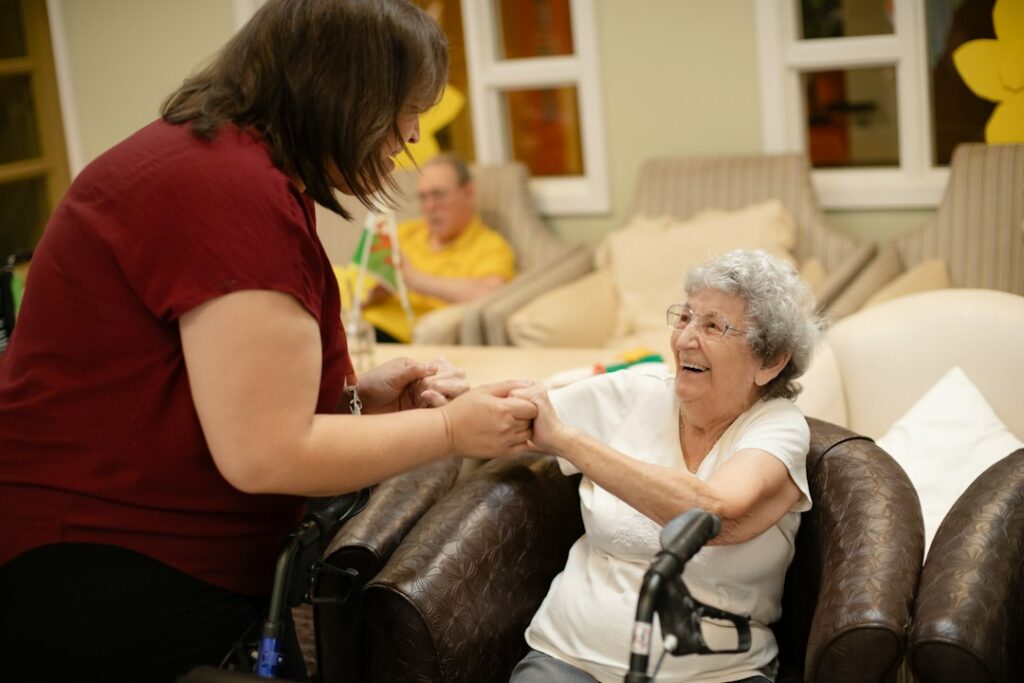
How long does knee replacement recovery take? A week-by-week guide to physical therapy after total knee replacement, from the first steps in the hospital to returning to the activities you enjoy, from Advanced Rehabilitation Center in Crossville, TN.

A new knee can give you back years of comfortable walking, golf, gardening and time with your grandchildren. How well it works, though, depends a lot on the weeks right after surgery. Physical therapy is where most of that recovery happens. This guide walks through a typical knee replacement recovery timeline so you know what to expect, what to work on, and when to call for help.
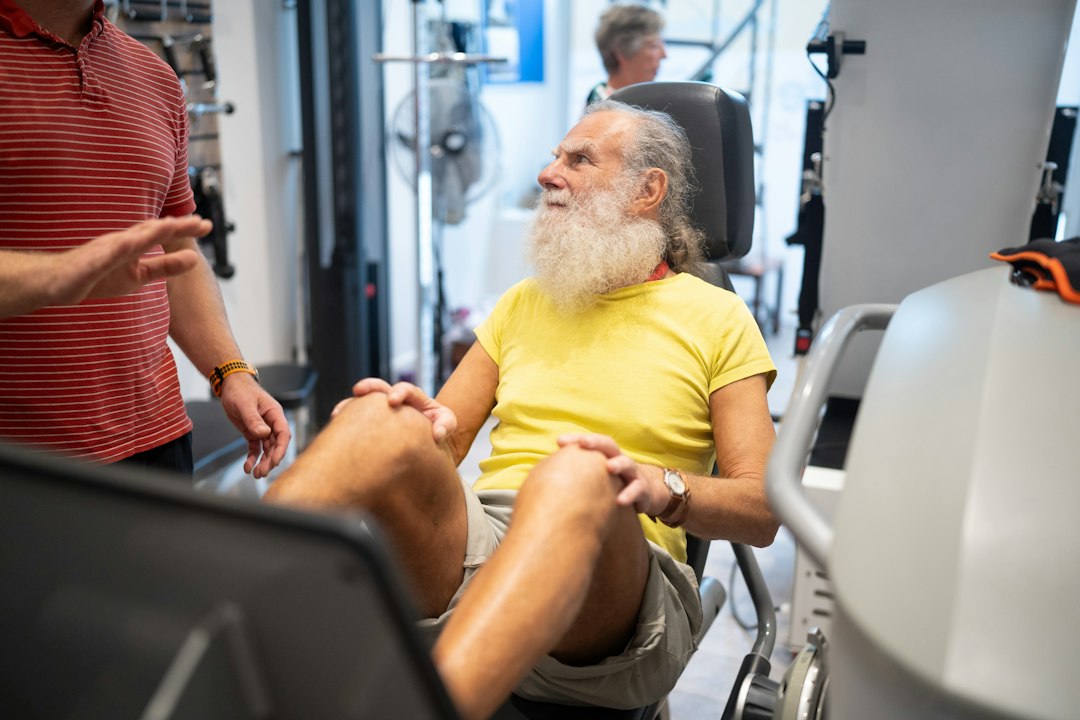
The short answer: how long does knee replacement recovery take?
Every recovery is different, and your surgeon’s instructions always come first. As a general guide from the American Academy of Orthopaedic Surgeons (AAOS):
- Most people return to normal daily activities within 3 to 6 weeks.
- Many people drive again about 4 to 6 weeks after surgery, once they are off opioid pain medicine and can brake safely.
- Mild to moderate swelling can last 3 to 6 months.
- An average of about 115 degrees of knee bend is expected after surgery, enough for stairs and getting in and out of a car.
Strength, endurance and confidence keep improving for months after that, which is why your exercises matter long after the incision has healed.
Knee replacement recovery, stage by stage
Surgery day to discharge (day 0 to 3)
Movement starts early. Many patients begin gentle knee exercises within hours of surgery. A hospital stay usually lasts 1 to 3 days, and some people go home the same day. Before you leave, your care team will want to see you get in and out of bed, walk with a walker or crutches, and manage a few stairs.
Weeks 1 to 2: bend, straighten, control swelling
The first two weeks focus on getting the knee to bend and to straighten fully, easing pain and swelling, and walking with a more normal pattern. Expect to do short exercise sessions several times a day, use ice and elevation as your surgeon recommends, and take frequent short walks around the house.
Weeks 3 to 6: build strength and independence
Outpatient physical therapy usually ramps up here. Your therapist adds strengthening exercises, works on bending further, and helps you move from a walker to a cane and then to walking on your own. This is the stretch when most people get back to everyday tasks like cooking, errands and light chores, and when the conversation about driving usually happens.
Weeks 6 to 12: stairs, balance and stamina
Therapy shifts toward real-life movement: climbing stairs step over step, getting up from low chairs, walking longer distances, and balance work so the leg reacts well on uneven ground. The AAOS recommends continuing your prescribed exercises for at least two months after surgery.
Three months and beyond: back to what you enjoy
Some swelling and stiffness can linger, especially at the end of a busy day. Most people can enjoy low-impact activities such as walking, swimming, golf, cycling, light hiking and dancing. Surgeons generally advise against high-impact activities like running and jumping, so ask yours what is right for you.
What a physical therapist does after knee replacement
- Range of motion: guided bending and straightening so the knee does not stiffen.
- Strength: progressive exercises for the thigh, hip and calf muscles that support the new joint.
- Walking: retraining your gait and deciding when to step down from a walker or cane.
- Balance: exercises that help prevent falls while the leg is still getting stronger.
- Hands-on care: manual therapy techniques to help with stiffness and tight tissue around the knee.
- Your goals: practice for the specific things you want to get back to, from kneeling in the garden to a round of golf.
Common early exercises
These are typical of what surgeons and therapists prescribe in the first weeks. Only do the exercises your own care team has given you, at the amounts they recommend.
- Ankle pumps: move your foot up and down to keep blood flowing.
- Quad sets: tighten the thigh muscle to press the back of the knee toward the bed.
- Heel slides: slide your heel toward you to bend the knee, then straighten.
- Straight leg raises: lift the leg a few inches with the knee kept straight.
- Seated knee bends: sitting in a chair, slide the foot back under the seat to bend the knee further.
When to call your doctor
Contact your surgeon right away if you notice increasing redness, warmth or drainage at the incision, a fever, or new pain and swelling in your calf. Call 911 for chest pain or sudden shortness of breath, which can be signs of a blood clot in the lungs.
Knee replacement physical therapy in Crossville, TN
At Advanced Rehabilitation Center, we help patients from Crossville, Fairfield Glade and across Cumberland County recover after joint replacement with one-on-one care that combines hands-on manual therapy with a progressive exercise plan. Having therapy close to home means fewer long drives while your knee is healing. For more detail, see what to expect from physical therapy after knee replacement and our guide to exercises after knee replacement. Once your therapist clears you, these balance exercises for seniors help you get steady on your new knee.
Ready to plan your recovery? Call us at (931) 456-5757 or visit us at 50 Stanley St., Crossville, TN 38555. We are open Monday to Friday, 8:00 AM to 5:15 PM.
This article is for general education and is not medical advice. Follow the instructions of your surgeon and physical therapist. Sources: American Academy of Orthopaedic Surgeons, OrthoInfo (Total Knee Replacement; Activities After Knee Replacement); American Physical Therapy Association, ChoosePT (Physical Therapy Guide to Total Knee Replacement). Photo: Centre for Ageing Better on Unsplash.